The Five Climate Hazards
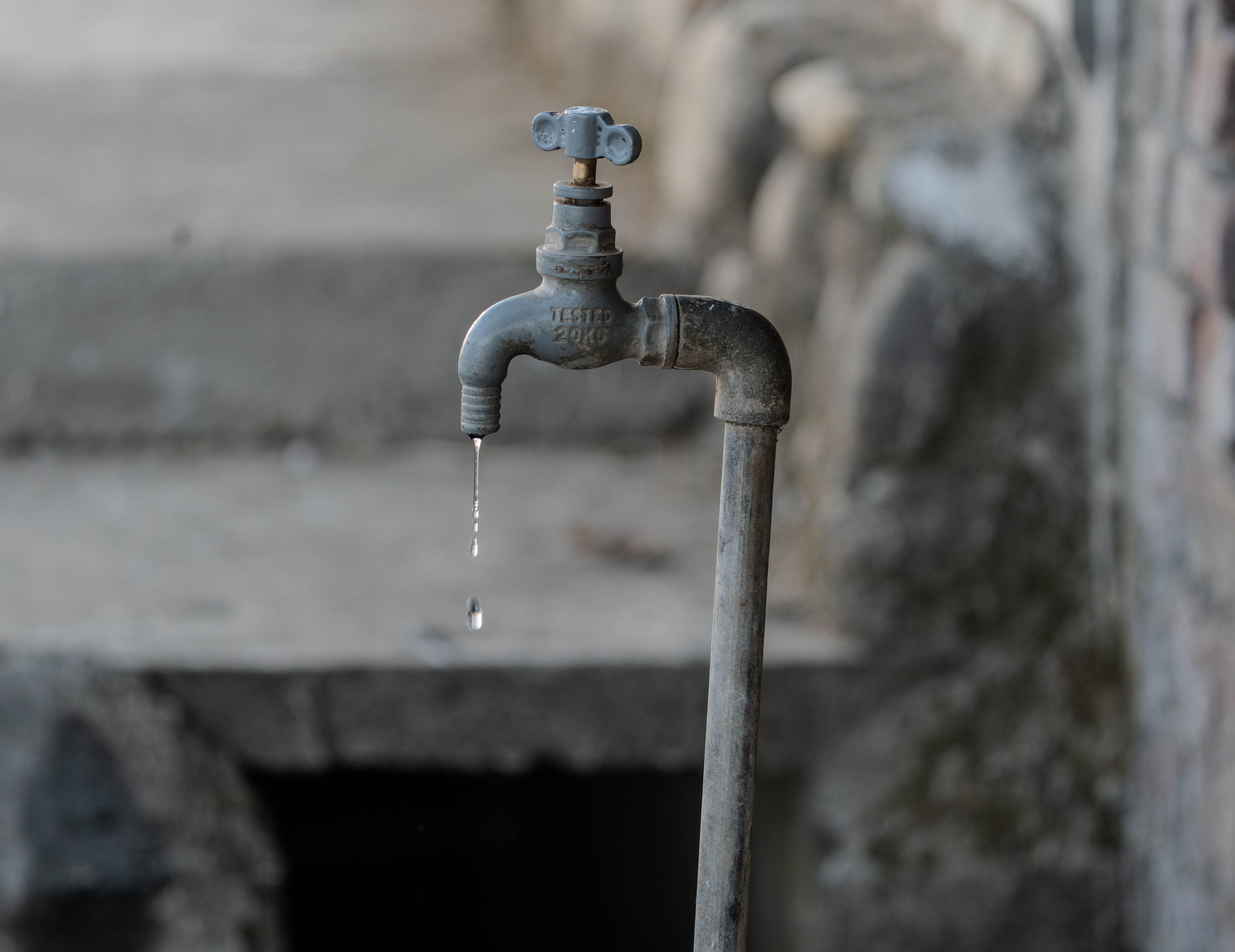
Water Stress
Projects addressing shortfalls in water availability, distribution and storage across the county — from catchment protection and non-revenue water reduction to household and institutional supply resilience.
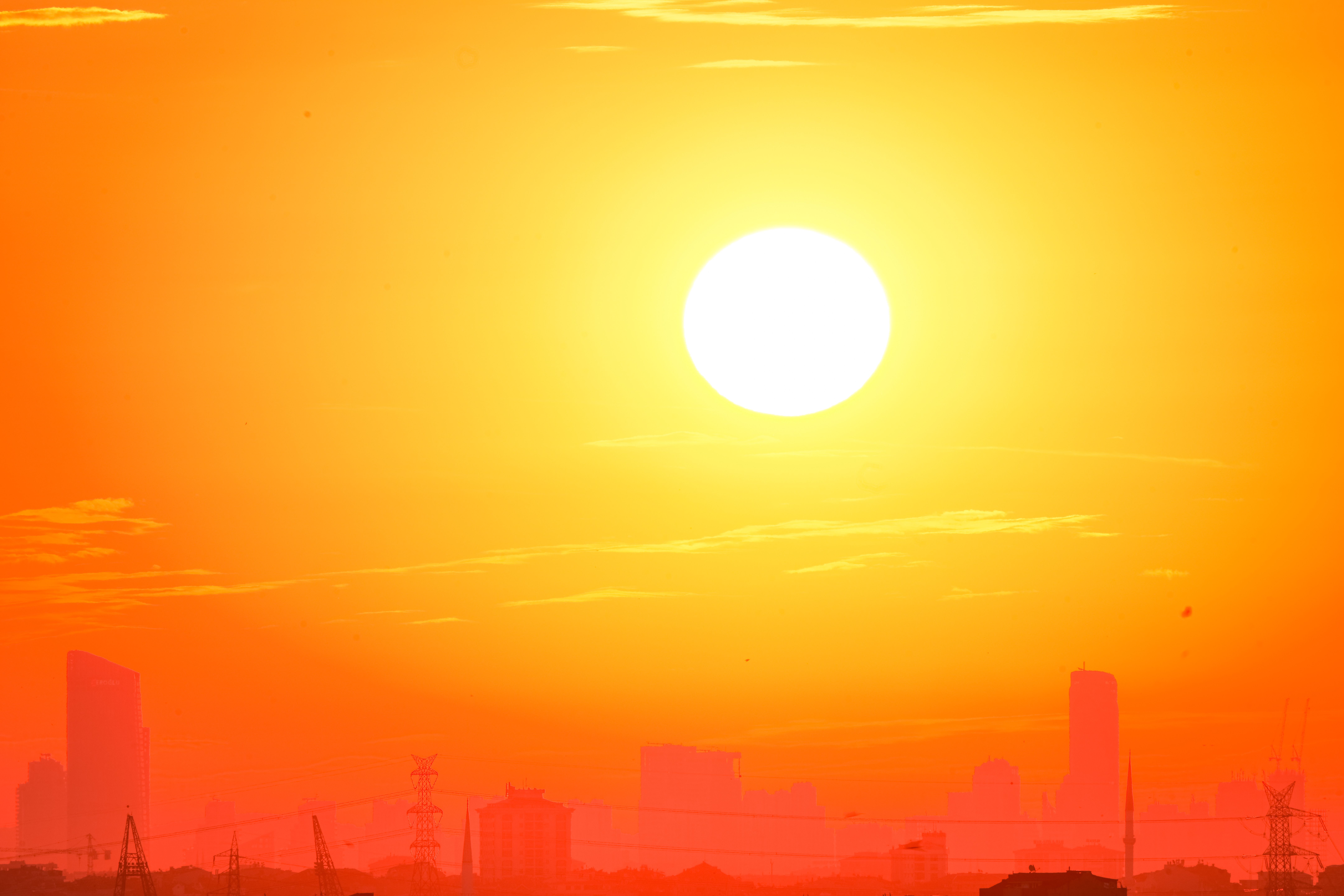
Heat Stress
Interventions that reduce thermal load on people, buildings and services — urban greening, cool roofing, shading of public space and passive cooling in health and education facilities — together with the response to acute heat events: early warning, emergency cooling, occupational exposure controls and heat-health action planning.
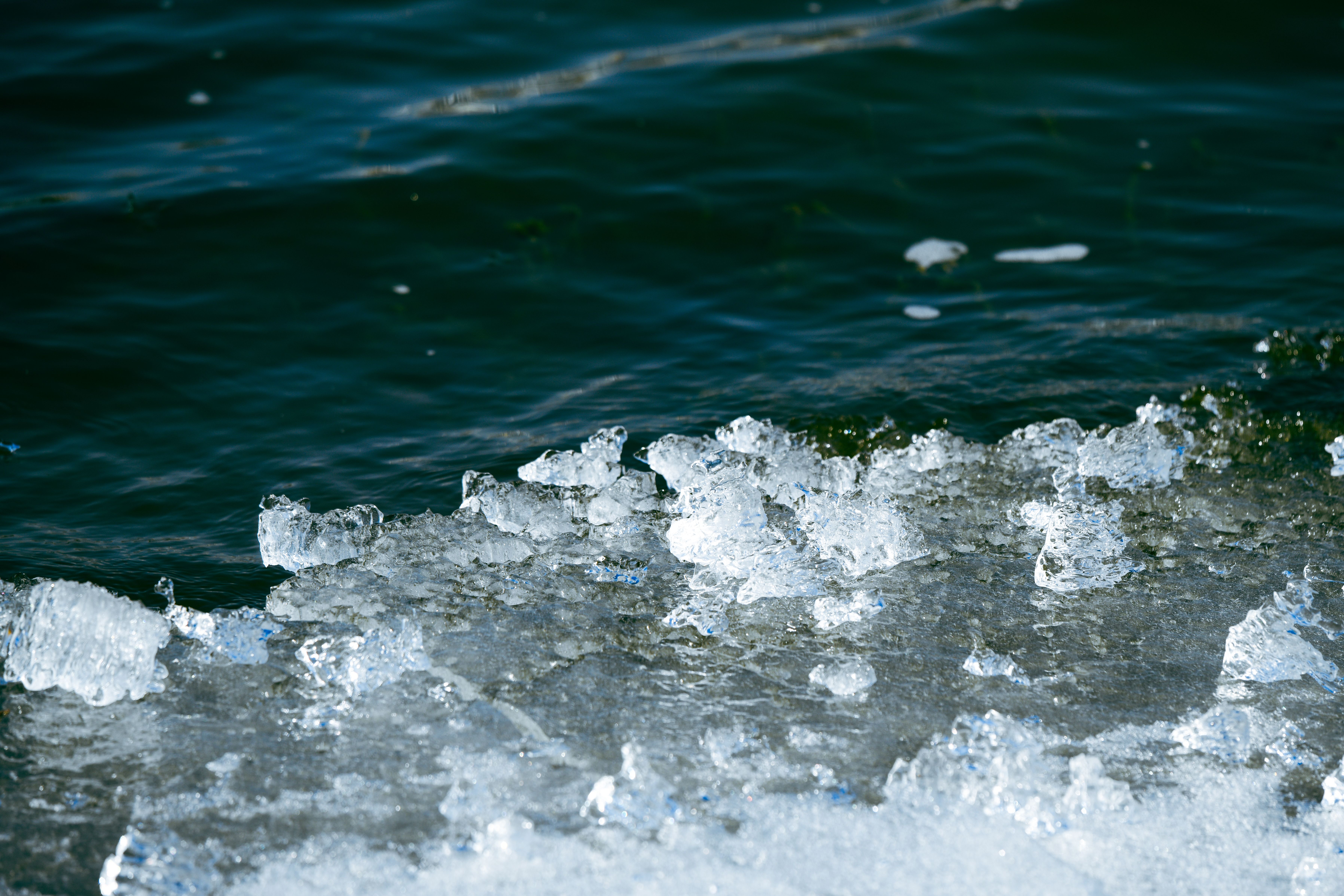
Extreme Cold
Measures protecting vulnerable populations and infrastructure during severe cold episodes, covering shelter, health-service surge capacity and continuity of essential services.
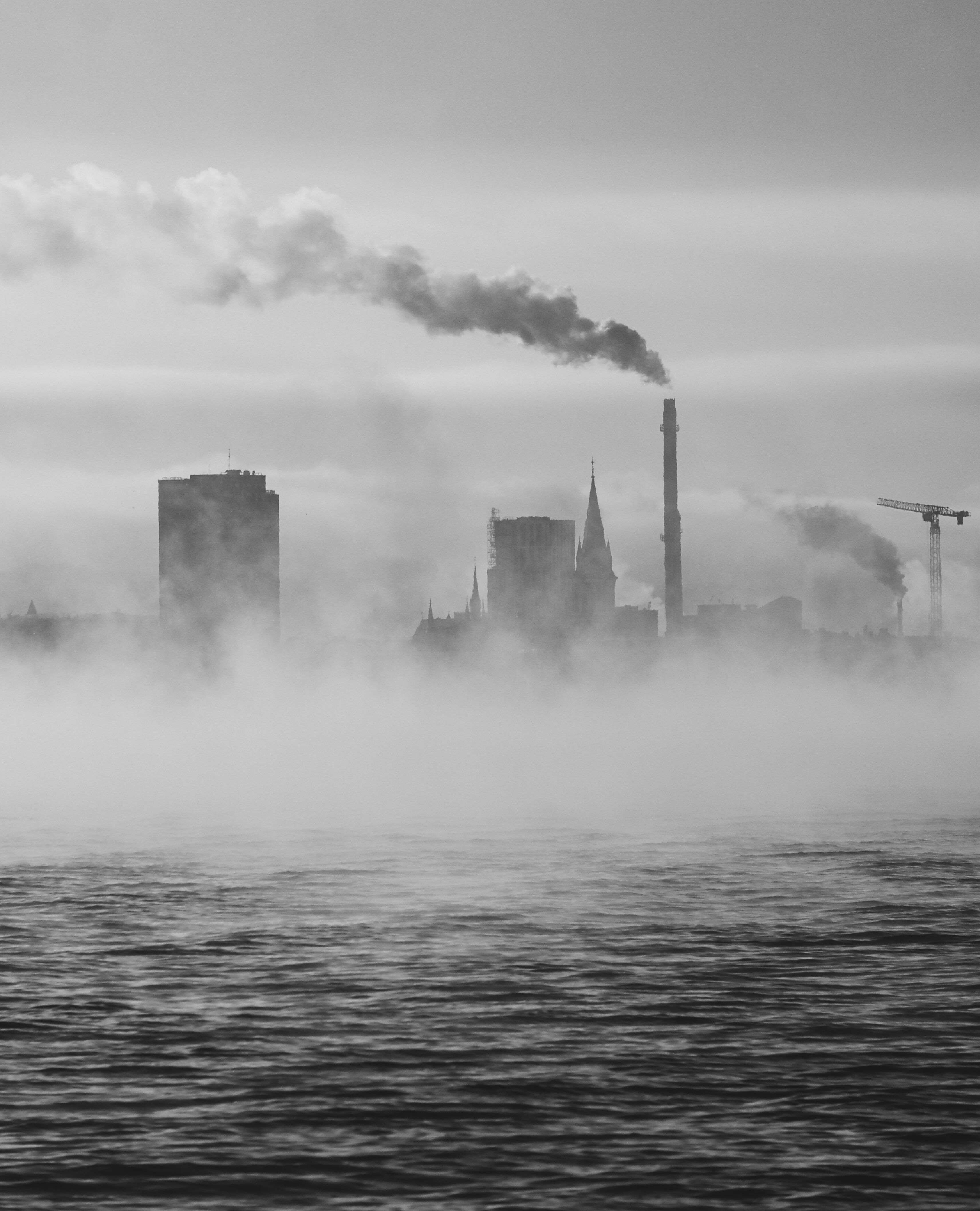
Air Quality
Projects that reduce exposure to polluted air, from transport and household energy interventions to monitoring, dust suppression on unpaved corridors, and protection of schools and health facilities on the worst-affected routes.
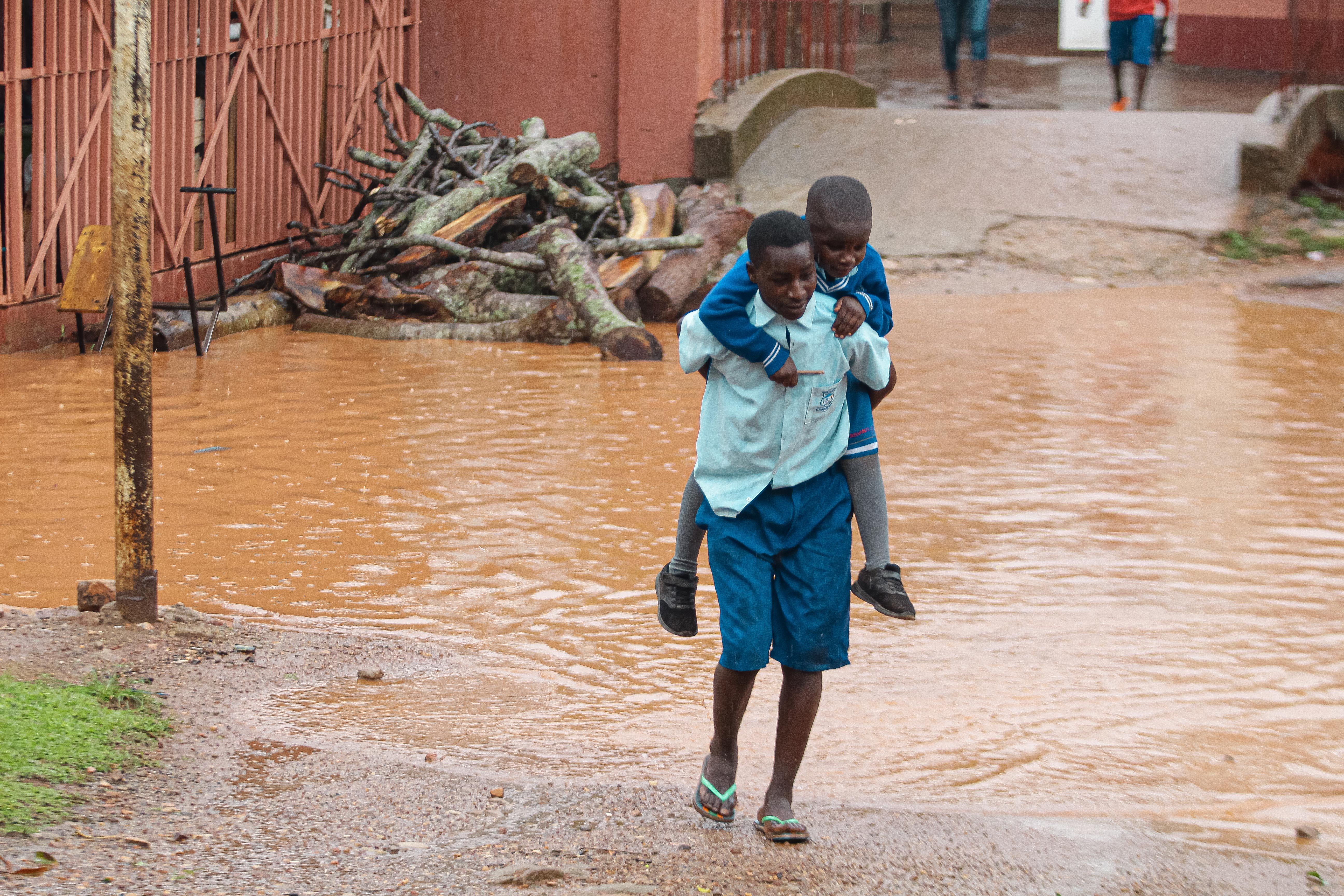
Floods
Interventions reducing flood exposure and damage — drainage rehabilitation, riparian restoration, solid-waste management in waterways, and relocation or protection of exposed assets.
User Manual
A guide to submitting, reviewing and deciding on projects in the pipeline. It covers the structured intake form, the review workflow and scoring rubric, and the decision record — with the steps that apply to each of the three user types.
Powered By